Why do people get addicted to porn?
Porn addiction is not about a weak will or a high sex drive. It is a normal brain meeting an abnormally strong, always-available stimulus, usually while trying to cope with something else. Here is what is actually happening, in plain language.
The short answer
- Dopamine. Porn floods the brain's reward system with "seek more" chemistry.
- Supernormal stimulus. Endless novelty no natural reward can match.
- Tolerance. The brain adapts, so you need more for the same hit.
- Escape. It numbs stress, boredom, loneliness and anxiety, fast.
- Access. Free, private and one tap away, any time.
If you have ever wondered why porn can feel so hard to put down, you are asking the right question. Understanding the why is not just curiosity, it is the first practical step, because every reason below points to something you can actually change. Porn addiction is not a moral failing or a sign of a broken character. It is the predictable result of a reward system doing exactly what it evolved to do, hijacked by a stimulus it was never built to handle.
Let us walk through it: what porn does to the brain, why it specifically hooks us, why it escalates, the emotional driver underneath it, and who is most at risk. Then, if you want to do something about it, the last section points you to the plan.
Is porn actually addictive?
Scientists still debate the exact label, but the pattern is well documented. The World Health Organization recognises Compulsive Sexual Behaviour Disorder in the ICD-11, which describes sexual behaviour, including porn use, that a person cannot control and keeps repeating despite clear harm to their life. Whether you call it an addiction, a compulsion or a deeply grooved habit matters less than the mechanics, and the mechanics are the same: a reward loop that has learned to run on its own.
Your brain on porn: the reward system
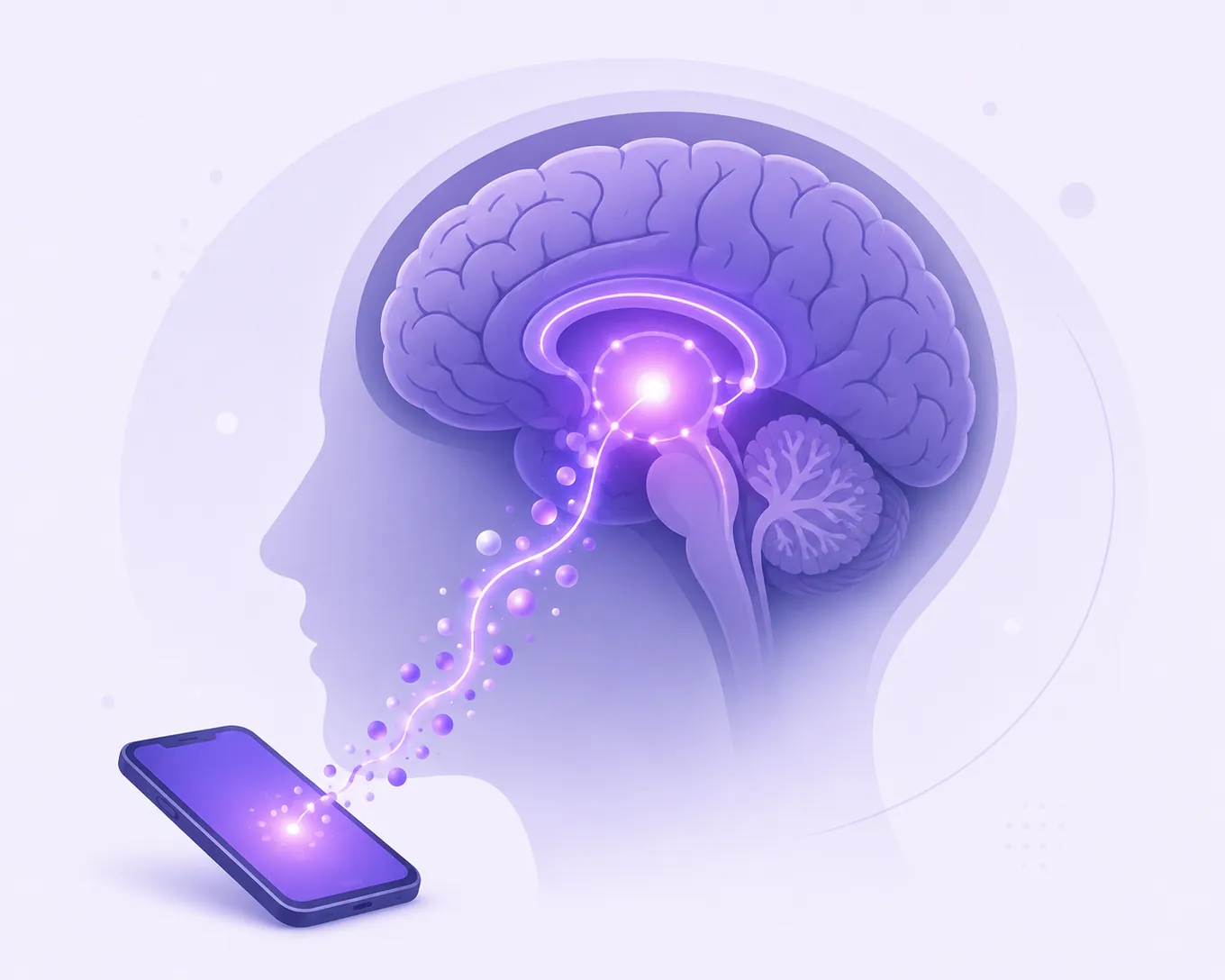
Every time you do something the brain reads as valuable, eating, winning, connecting, it releases dopamine. People call dopamine the pleasure chemical, but that is not quite right. Dopamine is the chemistry of wanting and seeking, the signal that says "this matters, go get more of it". It is the engine of motivation, and it is what learning and habit are built on.
Porn triggers a large dopamine response because the brain treats it as a powerful reward and a mating opportunity rolled into one. Do that repeatedly and the brain learns the lesson fast: this is worth chasing. The cue (a feeling, a time of day, an open phone) gets wired to the behaviour, and the behaviour gets wired to the reward. After enough repetitions the loop fires automatically, before you have consciously decided anything. That is why it can feel like the urge arrives out of nowhere.
Why porn specifically hooks us: the supernormal stimulus
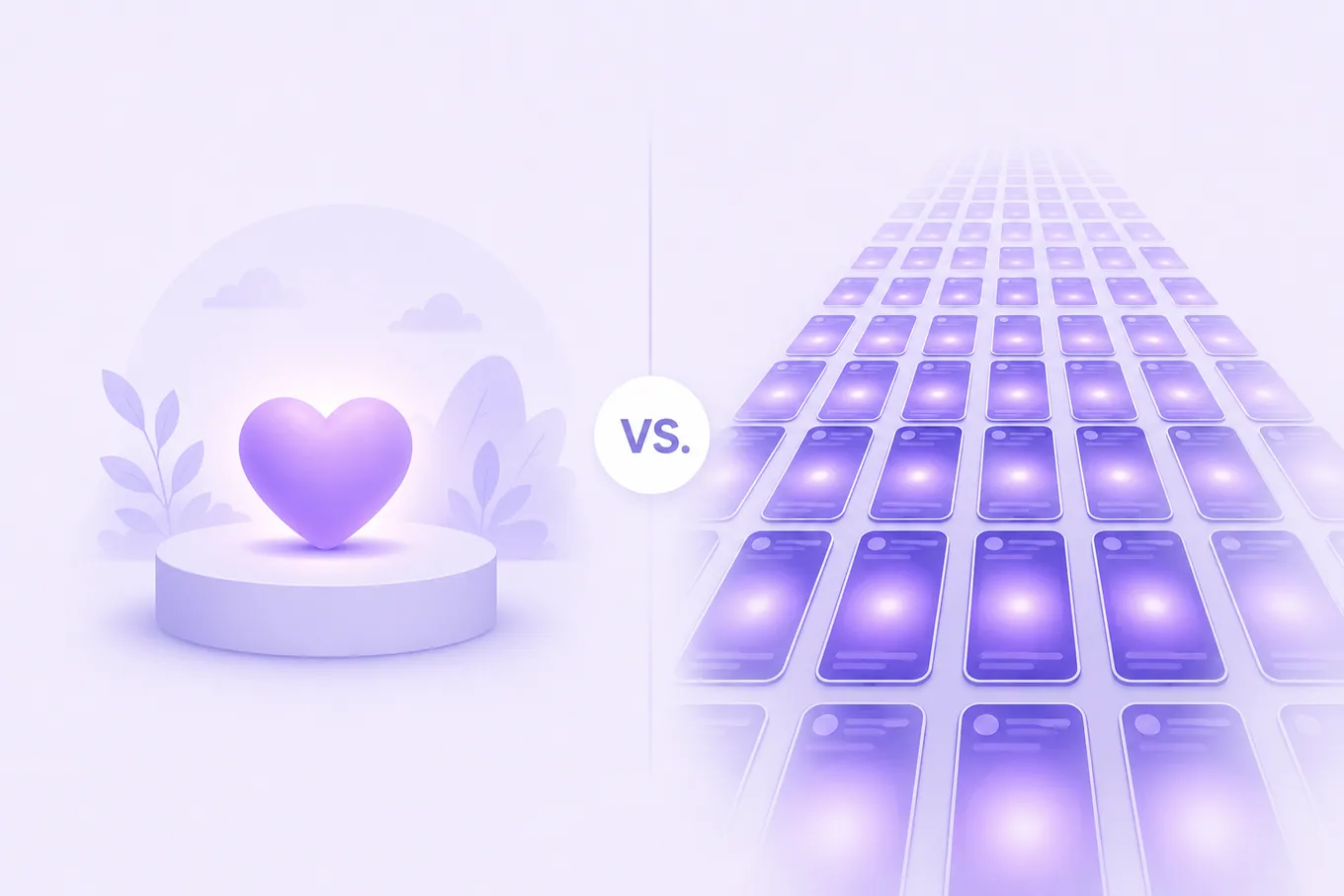
Here is the part that makes porn different from most habits. It is what biologists call a supernormal stimulus: an artificial trigger that is exaggerated far beyond anything in nature, so it hijacks an instinct more strongly than the real thing ever could. The classic example is a bird that ignores its own eggs to sit on a bigger, brighter fake one. Porn is that fake egg for the human reward system.
The killer feature is endless novelty. The brain is wired to find new mates and new rewards exciting, a quirk researchers call the Coolidge effect, and dopamine spikes hardest on novelty. With a real reward, interest naturally fades. With an infinite feed, there is always another tab, another scene, another genre, so the novelty never runs dry and the reward system never gets the "enough, you are satisfied" signal. That mismatch, an ancient brain meeting unlimited artificial novelty, is the core of why porn is so easy to overdo.
Tolerance: why it escalates over time
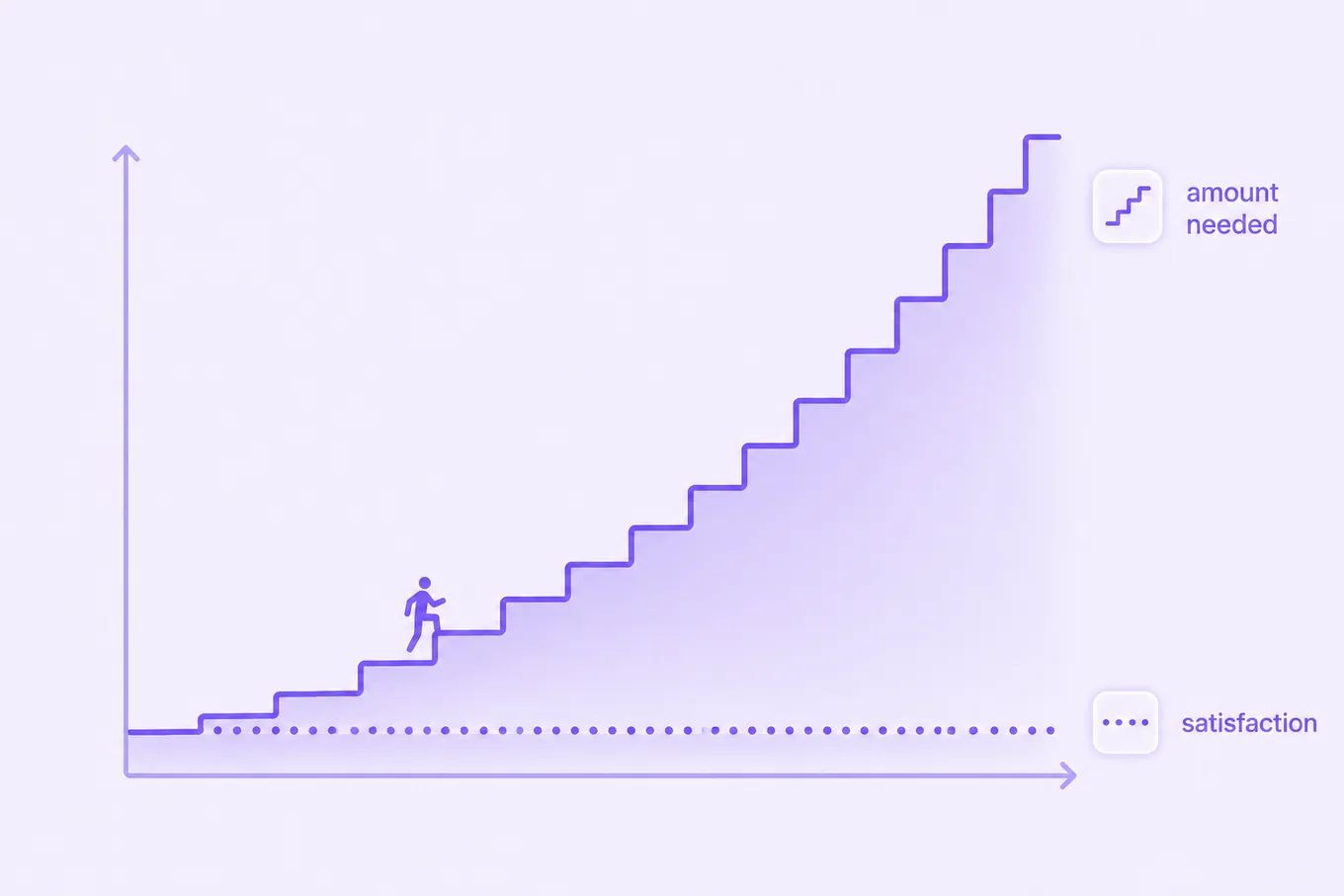
The brain hates being overstimulated, so it protects itself. Under a constant flood of dopamine it turns down the volume: it reduces the number of receptors and dials back its sensitivity. This is tolerance, and it is the same mechanism behind every substance habit. The result is that the content that used to do the job stops working, and you need more, more often, or more extreme, to feel the same.
This is why so many people describe escalation they never intended and do not understand. It is not about who you are or what you secretly want, it is the reward system demanding a bigger hit to clear a raised bar. Worse, as tolerance grows, wanting and liking split apart: the craving stays loud while the enjoyment fades. That hollow "I do not even like this anymore but I cannot stop" feeling is tolerance, not a character flaw.
The real driver: it numbs a feeling
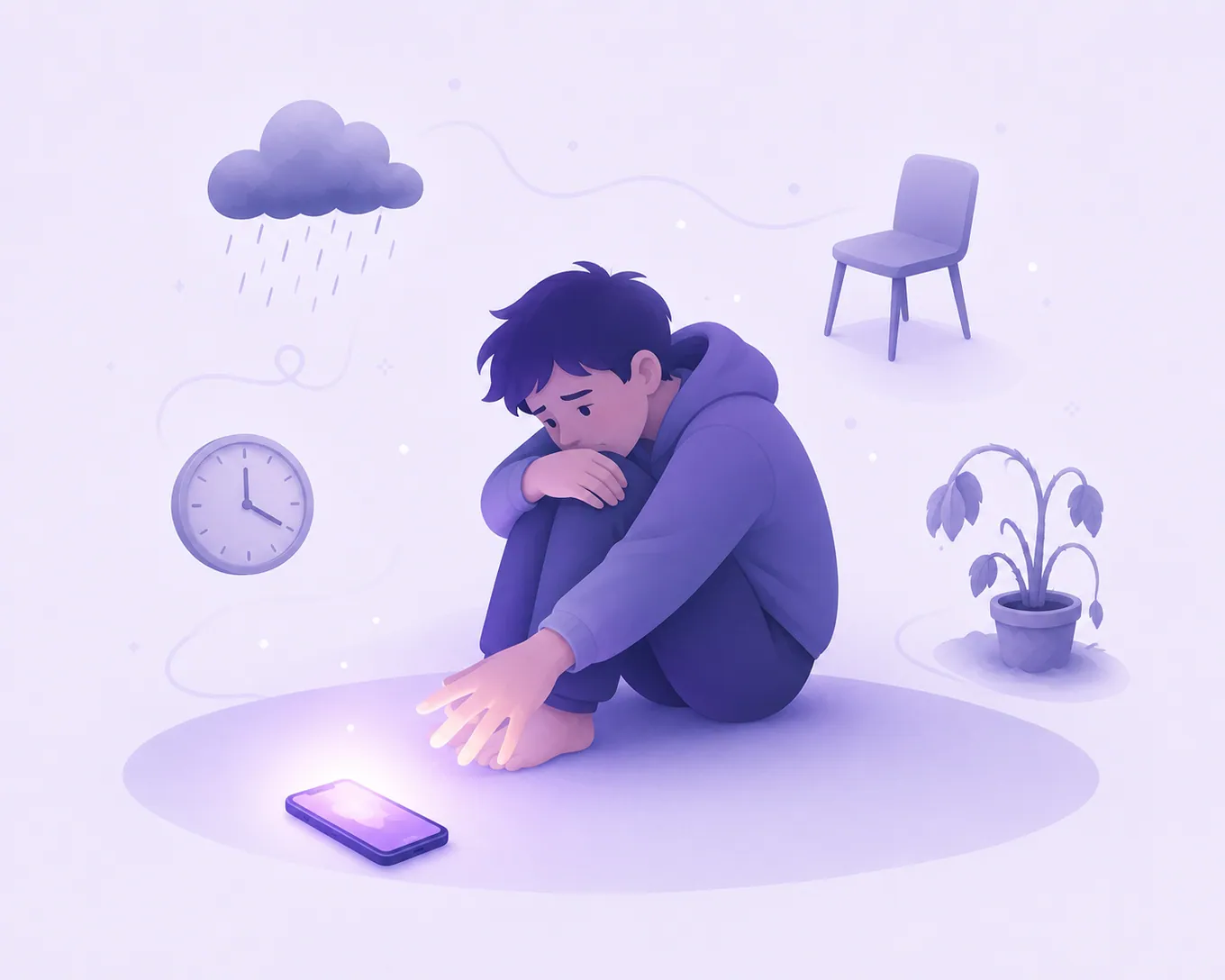
Strip away the biology and there is usually a simpler human reason underneath: porn is a fast, private way to escape an uncomfortable feeling. It reliably and instantly changes your emotional state, which makes it an easy answer to stress, anxiety, loneliness, boredom, low mood and exhaustion. In recovery circles these triggers get the shorthand HALT: hungry, angry, lonely, tired.
This is why the habit so often deepens during hard seasons, and why people who feel disconnected, anxious or low are more vulnerable. The brain learns that porn equals quick relief, and it starts reaching for that relief automatically whenever the painful feeling shows up. Over time the porn is no longer the point. The escape is. That is also the good news: when you can name the feeling you are actually trying to escape, you can find a better answer for it, which is the whole basis of recovery.
Why now: the accessibility engine
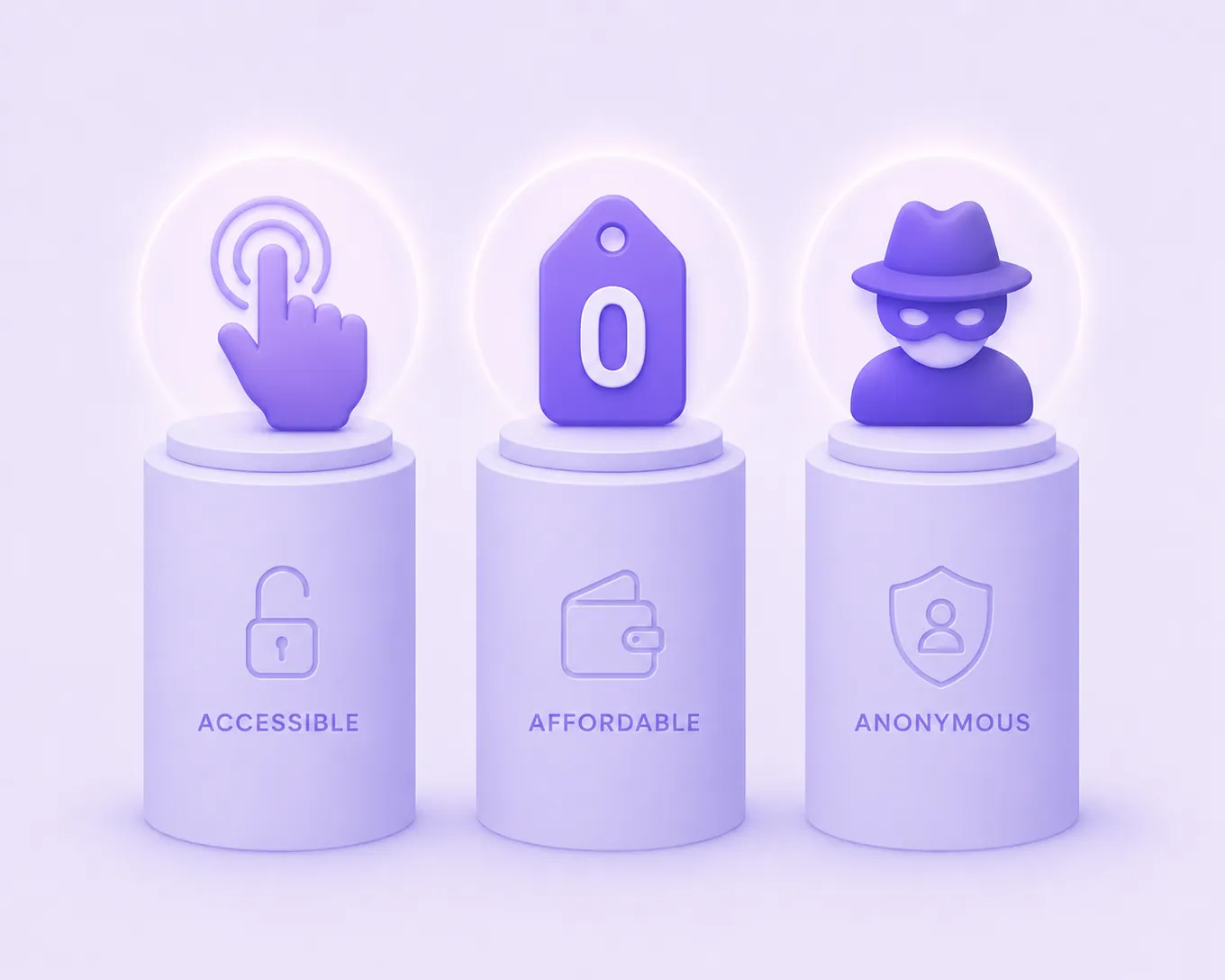
None of this is new to human brains. What is new is the delivery. Researchers describe the modern problem with three A's: porn is more accessible (free, unlimited, in everyone's pocket, every hour of the day), more affordable (most of it costs nothing), and more anonymous (private, instant, with no one watching) than at any point in history.
Those three factors are rocket fuel for a reward loop. Easy access removes the friction that used to slow people down. Zero cost removes the natural limit. And anonymity removes the social brake of embarrassment. This is exactly why adding friction back, especially cutting off instant private access, is one of the most effective things you can do. Make it less accessible and less anonymous, and you weaken two of the three engines driving the habit.
Who is most at risk?
Most people who watch porn never develop a compulsion. So why do some? It is rarely one cause, it is a stack of risk factors that load the dice:
- Early first exposure. The younger the brain at first exposure, the more the habit can shape developing reward and arousal patterns.
- Untreated mental health struggles. Depression, anxiety, ADHD and chronic stress all push people toward fast, reliable relief.
- Trauma and adverse childhood experiences. Early pain and unmet emotional needs raise the pull of any numbing behaviour.
- Loneliness and isolation. Without real connection, an on-demand substitute fills the gap.
- High impulsivity. A brain that is quicker to act on urges and slower to brake is more prone to compulsive loops.
- Easy, private, unlimited access. The more frictionless the access, the faster a habit can dig in.
If several of these describe you, that is not a verdict, it is a map. Each one is a place you can add support: treat the anxiety, build the connection, add the friction, fill the time.
It is not a moral failing
The most important reframe: getting hooked on porn does not mean you are broken, weak or a bad person. You inherited a reward system tuned for a world of scarce rewards, and you live in a world of infinite artificial ones. You were very likely also using it, at least partly, to cope with something real. That is a deeply human response to an environment engineered to exploit it.
Shame keeps the loop spinning, because it is one more painful feeling to escape. Understanding breaks it, because it turns a mystery you fight into a mechanism you can change.
Knowing why is step one. Here is what to do
Every reason above points to a fix. The reward loop runs on cues, so change the cues. It runs on instant access, so add friction: Appcognito blocks over 750,000 adult sites on-device across every app and browser, and lets a trusted person hold the code so it cannot be undone on impulse. It runs on escape, so find a better answer for the feeling underneath. And it rarely breaks in secret, so get one person in your corner.
For the full plan, read how to stop a porn addiction (the 6-step recovery approach) or how to quit porn gradually (the practical taper). If your use feels completely out of control or is tied to trauma, depression or anxiety, please reach out to a doctor or a therapist trained in compulsive sexual behaviour. Asking for help is a strength.
Related guides: how to stop a porn addiction, how to quit porn gradually, or set up Appcognito's adult content and porn blocker and lock it behind a trusted person's code.
Frequently asked questions
Is porn addiction real?
The label is still debated, but the pattern is real and recognised. The World Health Organization lists Compulsive Sexual Behaviour Disorder in the ICD-11, covering sexual behaviour, including porn use, that feels out of control and continues despite the harm. Whether you call it an addiction, a compulsion or a stuck habit, the underlying brain and behaviour mechanics are the same.
Why is porn so addictive compared to other things?
Because it is a supernormal stimulus: unlimited novelty, on demand, far stronger than anything the brain evolved to handle. Each new scene triggers a fresh hit of dopamine, the brain's 'seek more' chemical. Most natural rewards run out or get boring. An endless feed never does, so the reward system keeps firing long past the point where a real-world reward would have switched off.
Why do I keep watching even when I do not enjoy it anymore?
That is tolerance, and it is one of the clearest signs the habit has dug in. With heavy use the brain dials down its sensitivity to dopamine, so the same content stops delivering the old hit. You end up chasing the feeling with more frequency or more extreme material, while enjoying it less. Wanting and liking come apart, which is exactly what makes a compulsion feel hollow.
Can casual porn use turn into an addiction?
It can, especially when it shifts from occasional entertainment to a go-to way of coping with stress, boredom, loneliness or anxiety. The risk climbs with early first exposure, easy private access, untreated mental health struggles and high impulsivity. Most people who watch porn never become addicted, but the slide is gradual, which is why it often goes unnoticed until it is entrenched.
Is porn addiction my fault?
No. You did not choose to have a reward system that responds to novelty, and you did not design an internet built to exploit it. A compulsive porn habit is the predictable result of a normal brain meeting an abnormally strong, always-available stimulus, often while trying to cope with something painful. Blame keeps people stuck. Understanding the mechanism is what lets you change it.
If I understand why I am addicted, how do I actually stop?
Understanding the why is step one, because it tells you what to change. From there, our guide on how to stop a porn addiction walks through a 6-step recovery plan, and how to quit porn gradually covers the practical taper. The short version: change the cues, cut off instant access with a blocker, replace the reward, and get one person in your corner.
Understand it, then outgrow it
Appcognito blocks over 750,000 adult sites on-device, adds the friction that breaks the loop, and lets a trusted person hold the code so it cannot be undone on impulse. Private by design, free to start.